



GTF 2026 Program
Two days of keynotes, plenaries, panel discussions, and closed roundtables.
Full Schedule
Day 1 — Tuesday, December 1
Attendee arrival
Registration, badge collection and refreshments
Opening remarks
Welcome by Forum organiser and key founding partners:
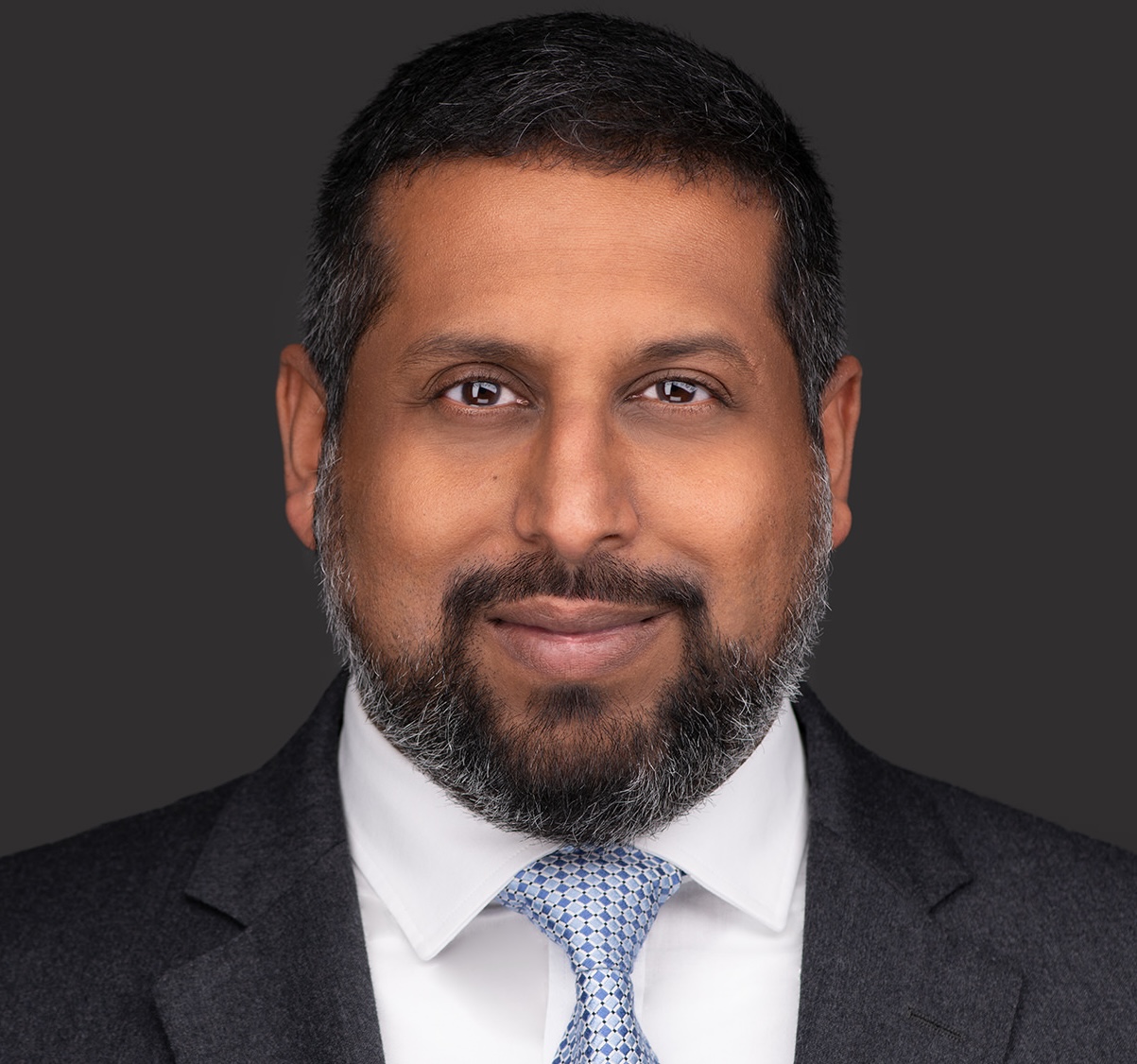
- Anatoly Motkin - Chair, Global Transformation Forum
- Kosei Kobayashi - Managing Director, International House of Japan
- Kazuto Suzuki - Professor & Director, Institute of Geoeconomics, International House of Japan
- Shinichi Abe - Representative Director, Global Transformation Forum Japan
Race or Choice? Governing AI for a Shared Digital Future
We’ve grown used to telling the story of AI as a race that a few powers and companies are destined to win. But a race has finish lines and losers. A choice has authors. Behind the headlines, very concrete choices are being made today: who owns the compute, how data is shared, which models are open or closed, whose standards are adopted, what place trust and responsibility have, and whether AI is used to empower people or replace them. Each of these choices shapes the questions, bottlenecks and challenges we will have to solve tomorrow and in the many tomorrows that follow, from access to computing power and energy to dependency, fragmentation and public trust. Seeing them as choices, not inevitabilities, opens the door for countries at every stage of digital development to help write the terms of a shared digital future.

Transfer to the Networking Dinner
Networking dinner
A hosted evening reception bringing together participants and partners at Hills House Azabudai.
Day 2 — Wednesday, December 2
Morning — Plenary Sessions
Attendee arrival and light breakfast
Welcome and opening remarks for the day
10 min
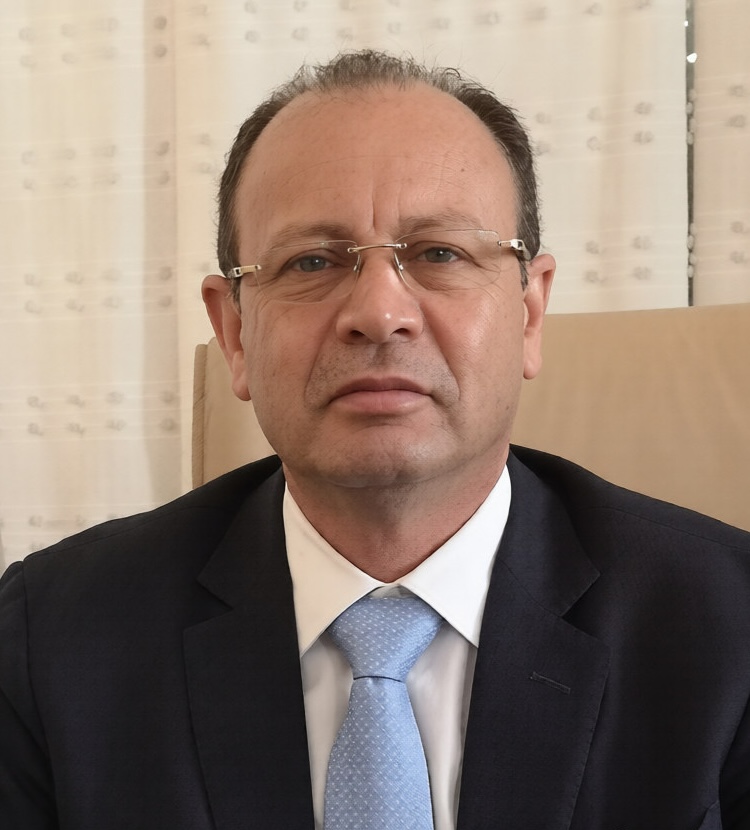
- Kazumi Nishikawa - Director General, Ministry of Economy, Trade and Industry of Japan
- Anatoly Motkin - Chair, Global Transformation Forum
Redefining the Digital World: Governance, Trusted Tech and International Cooperation
50 min
As digital transformation reshapes economies, societies, and global power dynamics, leaders from government and industry will explore the emerging architecture of the digital world and how governance, innovations, international cooperation, and societal interests can be aligned to create a trusted and inclusive digital future.




Japan's Leadership in a Transforming World
50 min
At the same time, Japan is pursuing one of the most ambitious visions of technological renewal in the world — strengthening its own capabilities while placing international partnership at the heart of the effort. This session examines how Japan brings together technological leadership and global cooperation, and what its approach offers a world working to balance national priorities with shared progress.



Protecting What Daily Life Runs On: Civilian Digital Infrastructure in the Age of AI
20 min


Lunch break and networking
Afternoon — Block 1 · 13:15–14:45
13:15–13:55
Who Sets the Rules for AI?
40 min
Advanced AI is developed in a handful of economies by a few technological players, yet its impact is global — and its governance remains unsettled. As governments and companies take different paths, the world faces a defining choice: shared, connected rules for AI, or a patchwork of competing ones? This session compares how different economies and tech players are approaching AI, where they align and diverge, and asks how the world can build an approach that works across borders.




14:00–14:40
Public-Private Partnership for the New Economy
40 min
Public–private partnerships and collaboration are central to building the new digital economy. This session asks: which models work best, and how can governments and businesses adopt or adapt them? Panellists will share what works, the lessons they’ve learned, and how to make these collaborations faster, fairer and easier to scale.



13:15–13:55
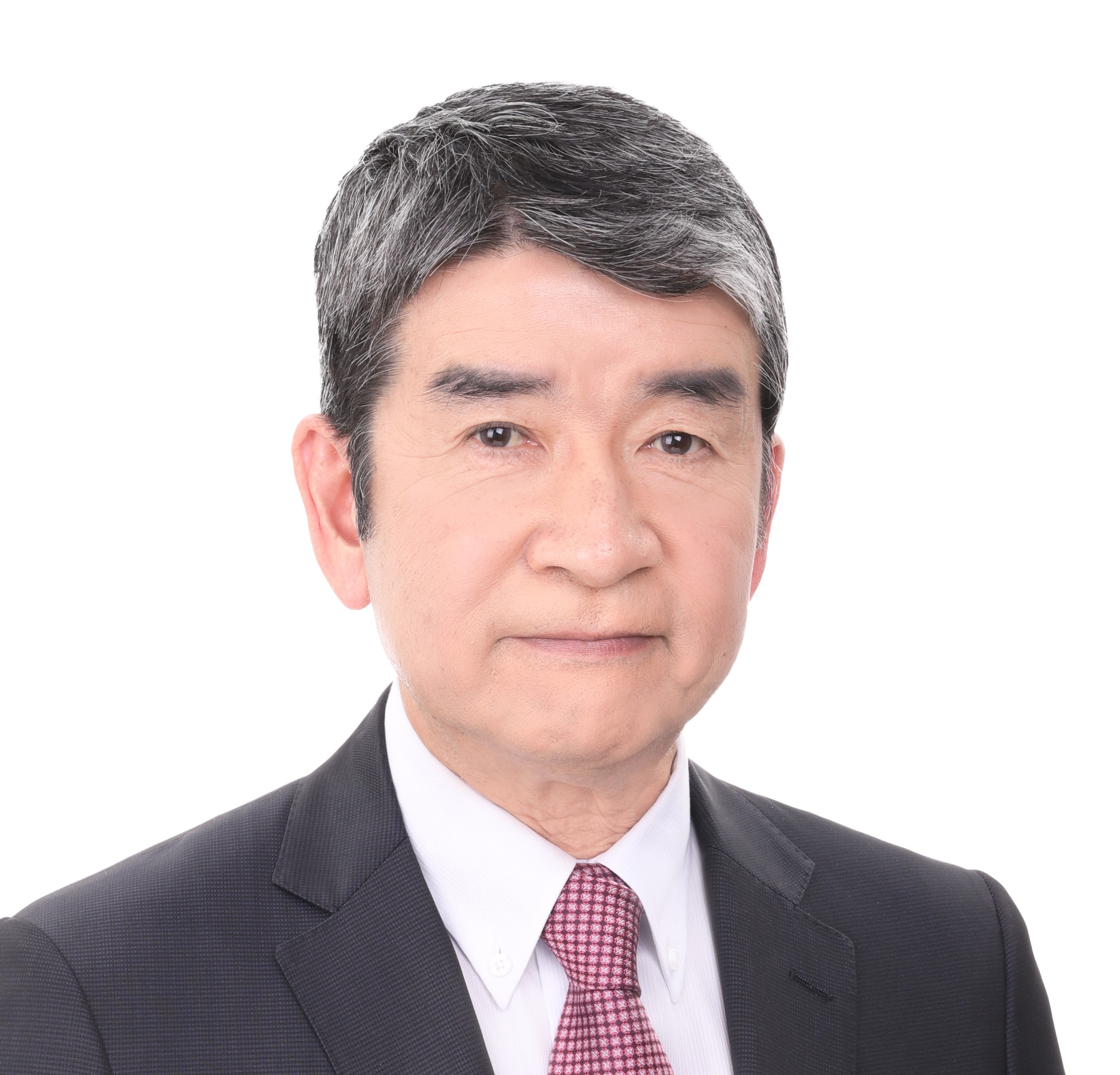
Why Advanced Economies Need Global Digital Development
40 min
Digital inequality between countries is becoming a constraint on global growth, innovation, and connectivity. This session examines why advanced economies have a strategic interest in supporting digital development in emerging and transition economies, and what models can make that cooperation effective.



14:00–14:20
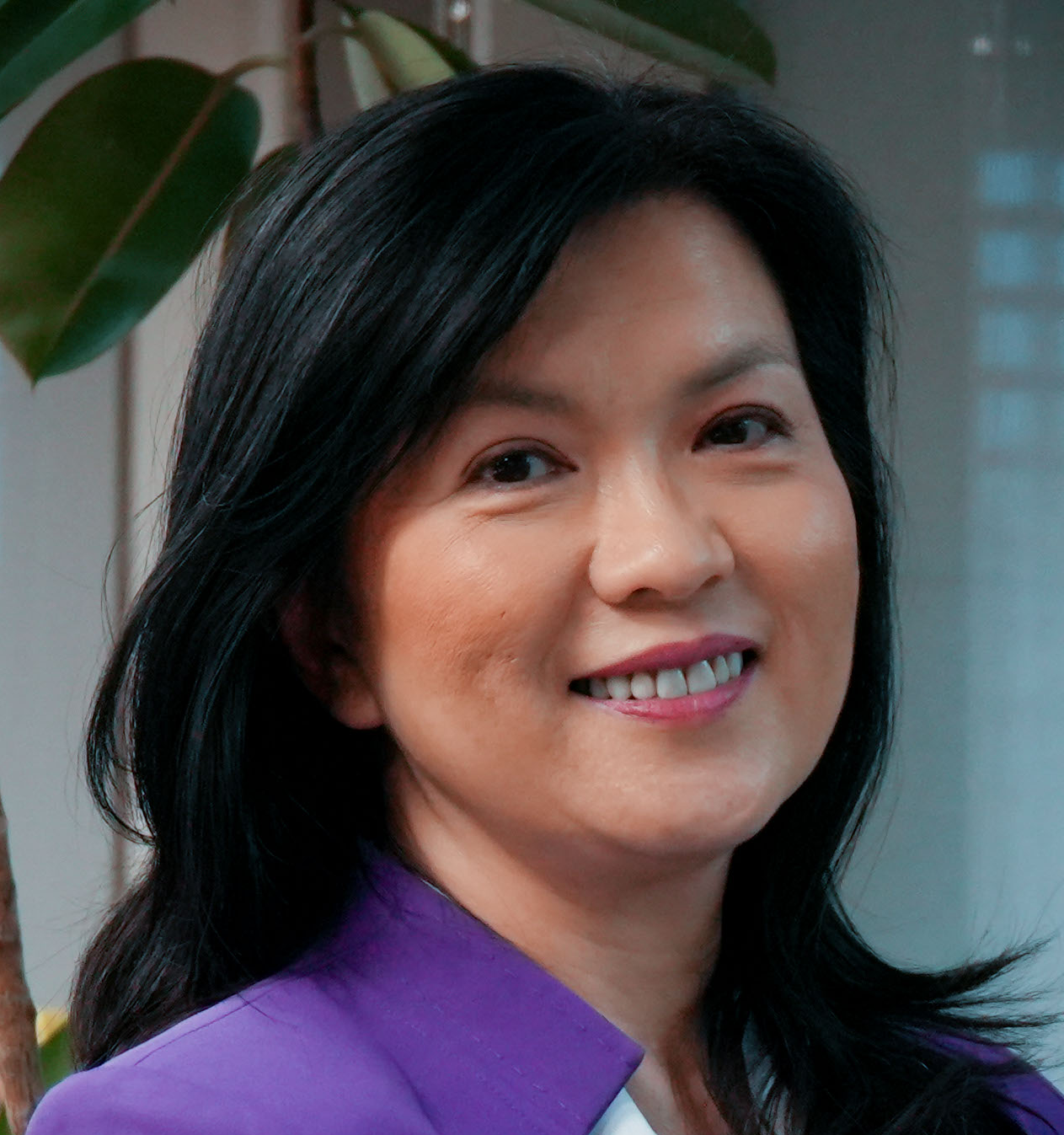
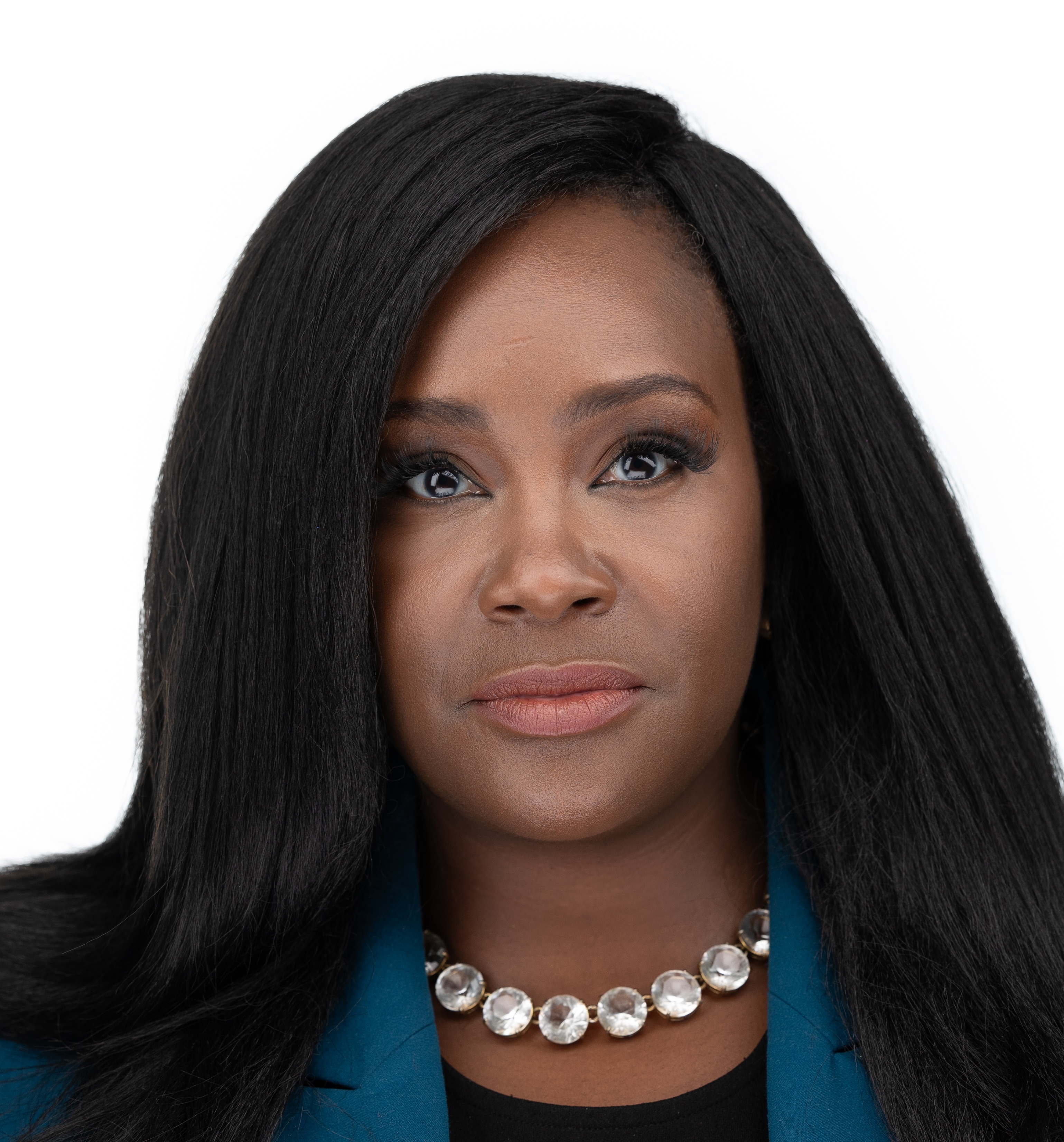
Living Longer, Living Better: Is LongevityTech the Next Frontier?
20 min
By 2050, the number of people over 60 will double to 2.1 billion, most of them in low- and middle-income countries. Advances in biotechnology and AI are opening the prospect of longer, healthier lives, yet investment remains concentrated in a few hubs, and the field faces growing questions of trust. This fireside chat explores where longevity innovation is heading, how it can be built on trusted foundations, and how its benefits can reach people everywhere.


14:20–14:40
Why AI Adoption Fails and How to Fix It
20 min
Governments and companies are investing heavily in AI, yet few can show it has truly changed how work gets done. Adoption often stalls for two very different reasons: skilled people without the decisions and resources to act, or tools without people ready to use them. Drawing on real examples from companies and countries, this fireside chat explores how leaders can tell what is holding them back, and build roadmaps that prepare their people and organisations for AI.


13:15–14:45
Future of the Workforce
This roundtable will surface the most pressing questions for discussion — from reskilling in an age of accelerating AI, to responsibility and funding for managing the transition, to what it will take to ensure advanced and emerging economies can prepare before change fully arrives.







13:15–14:45
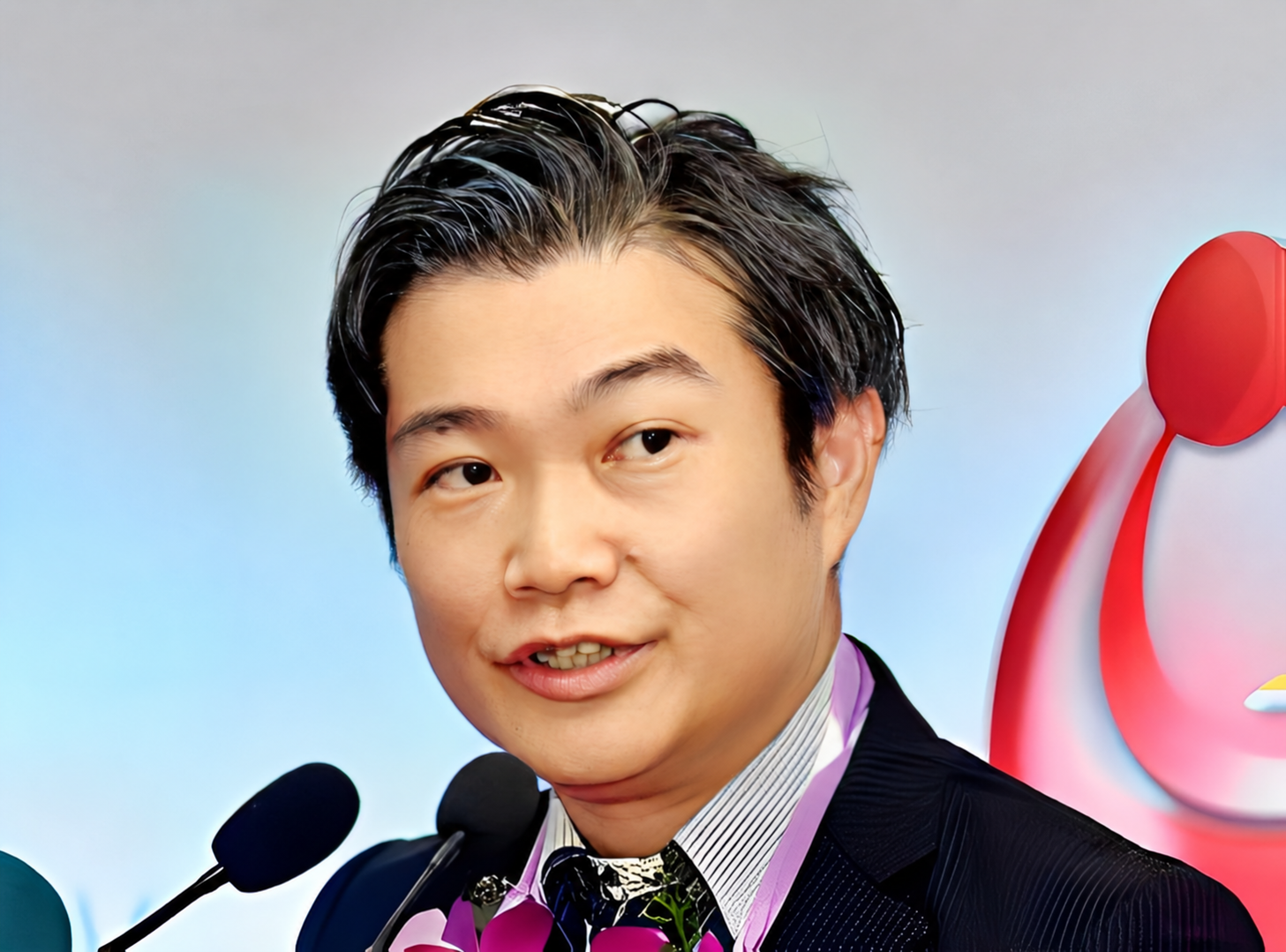
Trusted Dual-Use Innovation: Scaling and Integration Across Partners
This roundtable explores how partners can deepen cooperation on trusted innovation in an era of fast-cycle, dual-use technologies. With a particular focus on scaling solutions across the Euro-Atlantic and Indo-Pacific, it will consider what a more agile, secure, and interoperable model for cross-border dual-use tech collaboration could look like.





13:15–14:45
The Central Asia Plus Japan Dialogue
Building on the summit-level “Central Asia plus Japan” framework, this roundtable convenes senior officials and experts from Japan and Central Asian states for an off‑the‑record discussion with a focus on the digital dimension.




Afternoon — Block 2 · 15:00–16:30
15:00–15:20
Resilience by Design: What Can the World Learn from Ukraine’s Digital Path?
20 min
15:20–15:40
How Ecosystems Go Global
20 min
Slush began as a small gathering in Helsinki and became one of the world’s leading startup events, built on its own culture rather than imitating Silicon Valley. This fireside chat explores how a local community grew into a global tech-focused ecosystem, and how gatherings like it can help countries build the talent and connections to thrive.
15:40–16:20
The Great Workforce Transition
40 min
As AI reshapes economies, some jobs will disappear, many will change, and entirely new professions will emerge. This session examines how governments, companies, and education systems can respond and help build a workforce ready for the next decade.

15:00–15:40
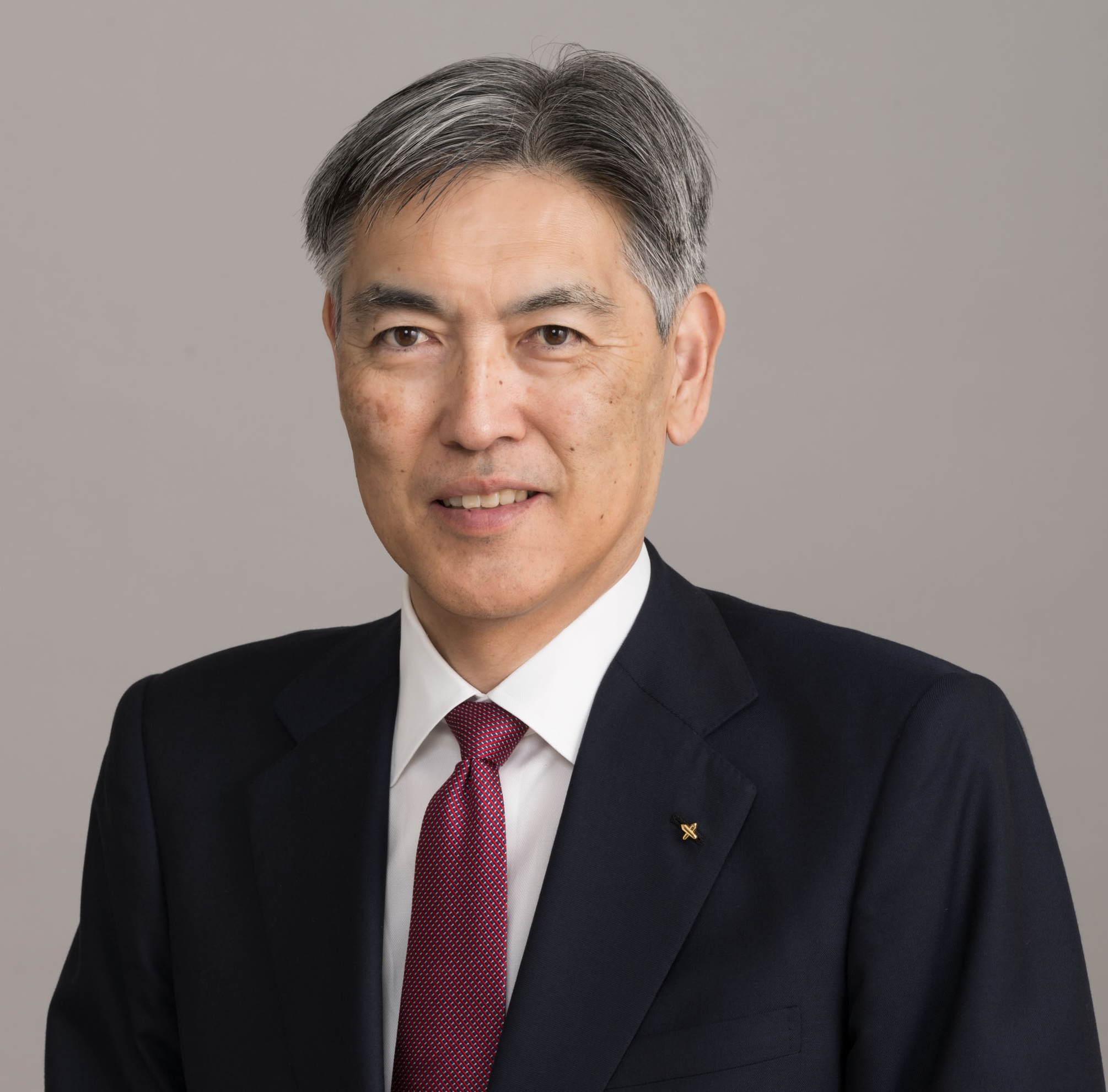
Quantum Computing: The Next Great-Power Race
40 min
Quantum computing will reshape cybersecurity, scientific research, defense, and economic competitiveness. This session examines the global race for quantum leadership, the risks and opportunities it creates, and what governments and industry must do to remain competitive in — and effectively prepare for — the quantum era.



15:40–16:00
Space for Everyone? How AI Is Opening Orbit to Every Country
20 min

16:00–16:20
Who Gets Warned First? Closing the Digital Divide in Disaster Resilience
20 min


15:00–16:30
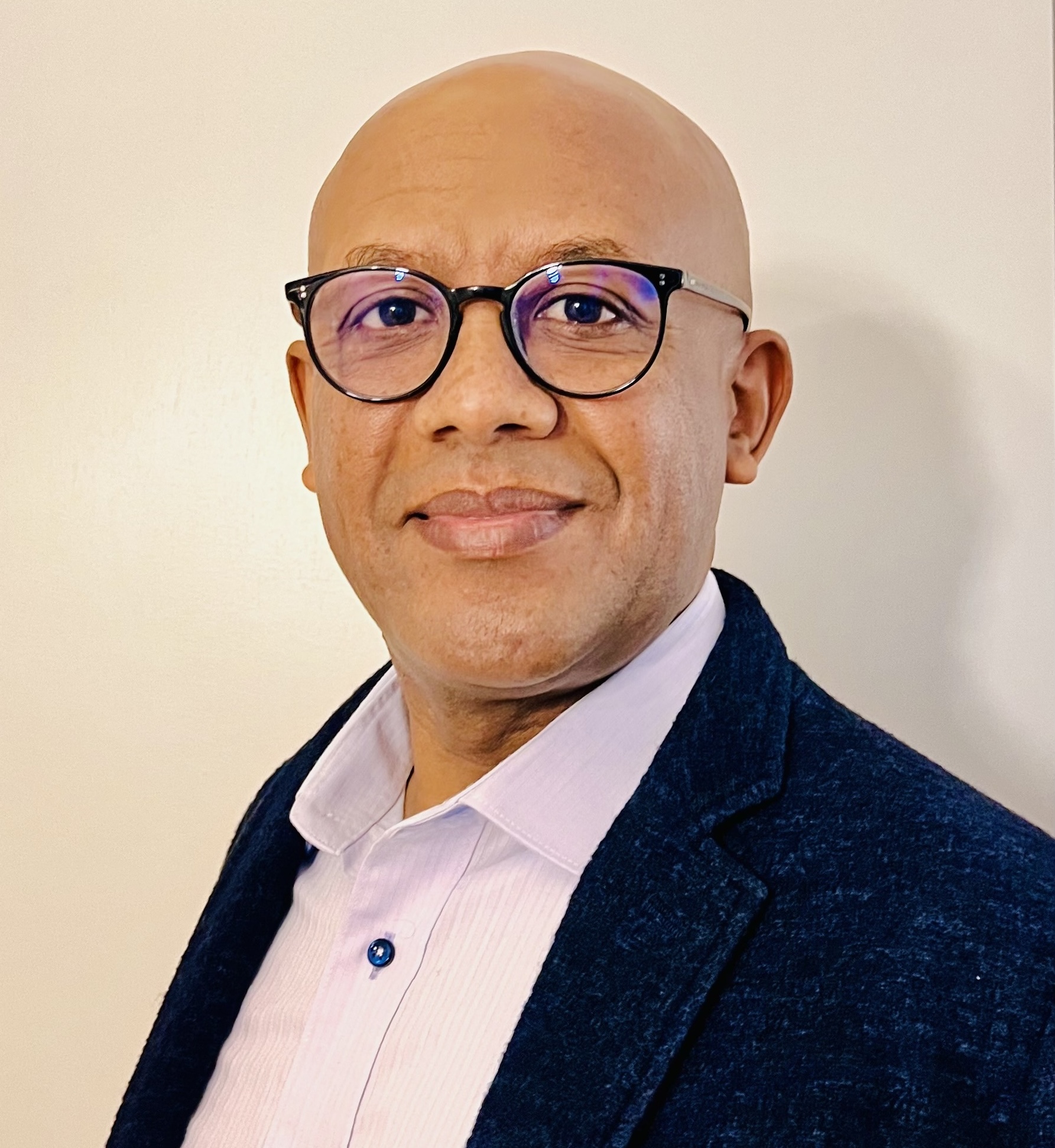
Platform for Inclusive Digital Growth
This roundtable will explore two interconnected questions for inclusive digital growth: how developing countries can co‑design the digital future based on trusted technological foundations, and how to build the long-term partnerships needed to sustain it. Participants will identify the toughest barriers as well as the most promising pathways for collaboration.




15:00–16:30
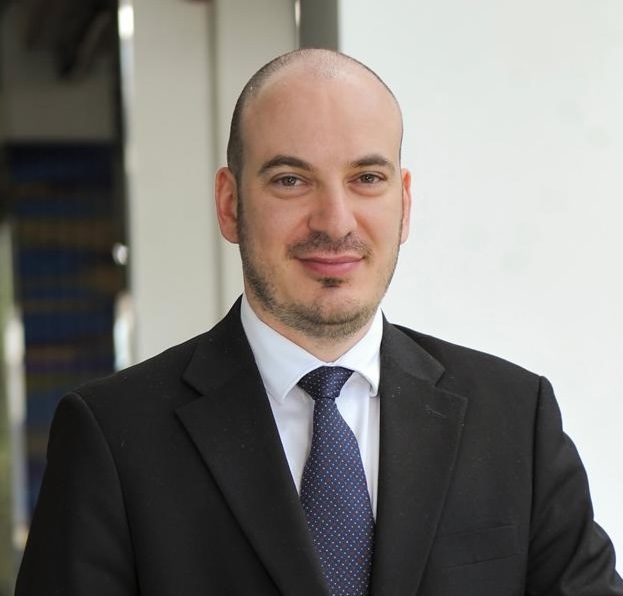
Trustworthy AI: Responsible Policy and Trusted Supply Chains
This roundtable will explore how responsible AI policy and trusted digital supply chains can evolve together, so that technology serves stability, security, and inclusion rather than undermining them. It will surface the most promising areas for common ground across jurisdictions — from shared guardrails against serious harms to policies that help both advanced and emerging economies build AI systems they can genuinely trust.



15:00–16:30
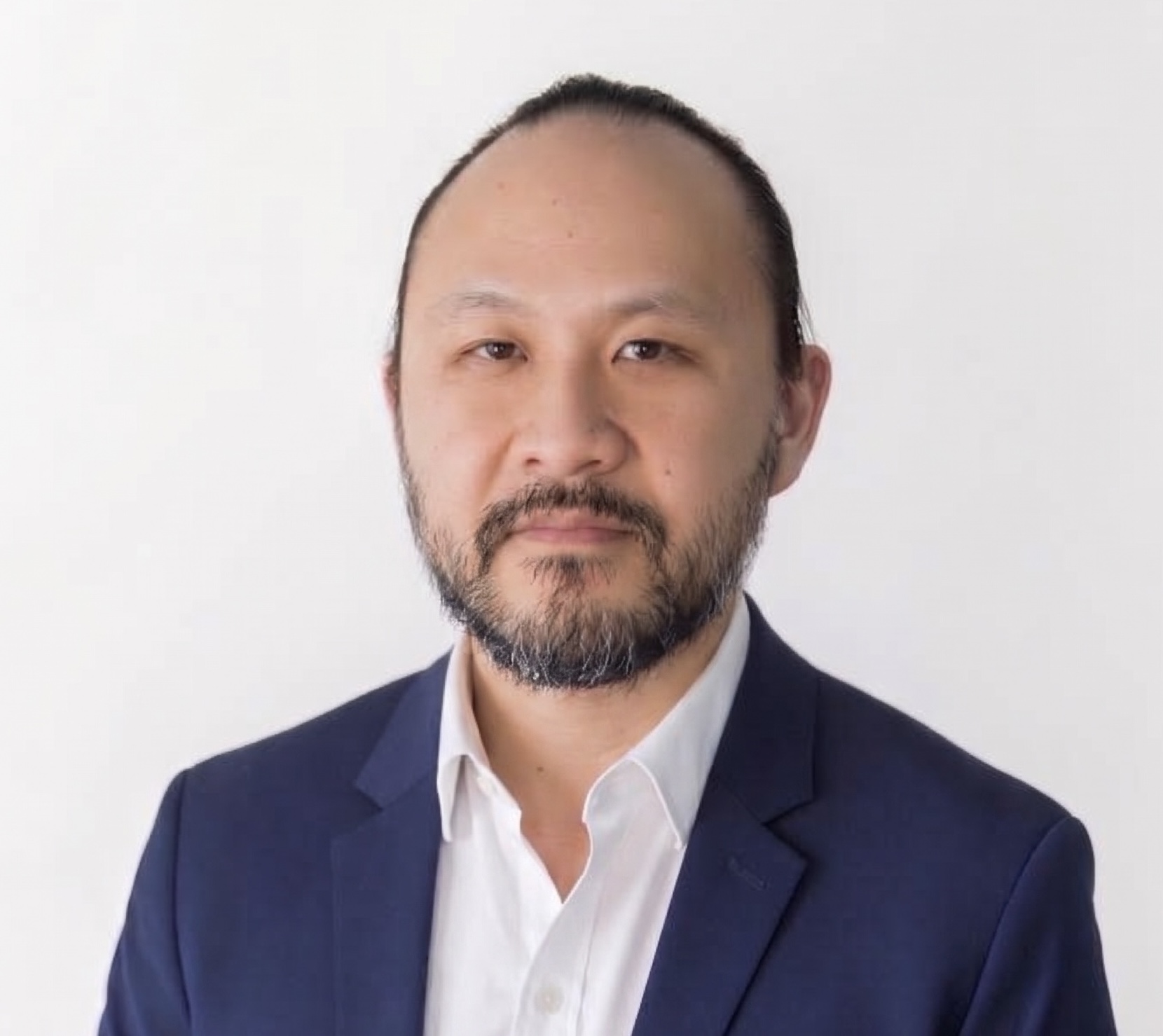
Future of Fintech
This roundtable will take stock of where fintech stands today and where it is heading next — from evolving business models and regulatory approaches to the impact of AI, digital currencies, and new infrastructure. Participants will explore the most important trends, emerging opportunities, and risks for financial inclusion, stability, and innovation.



Block 3 — Program Conclusion · 16:30–16:50
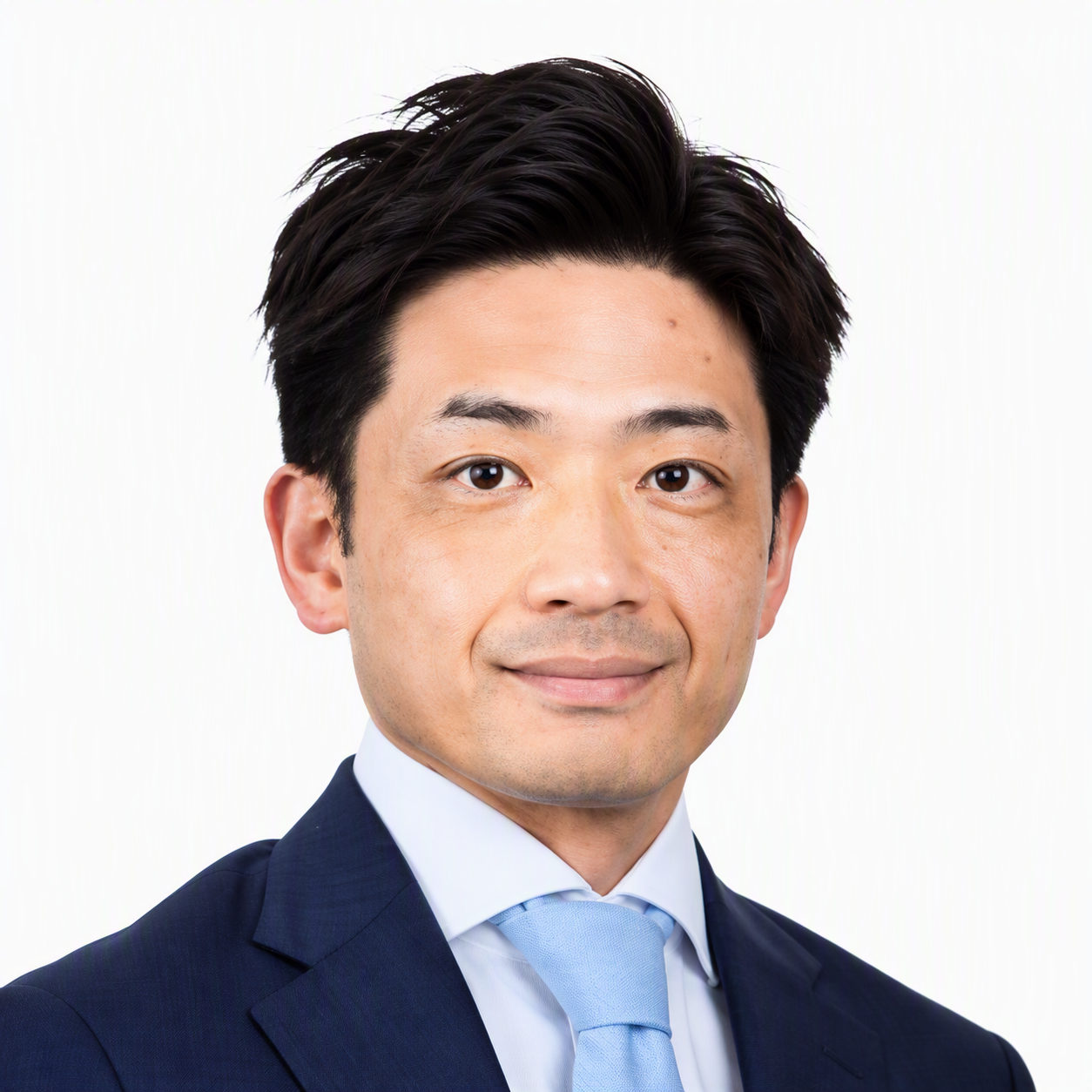
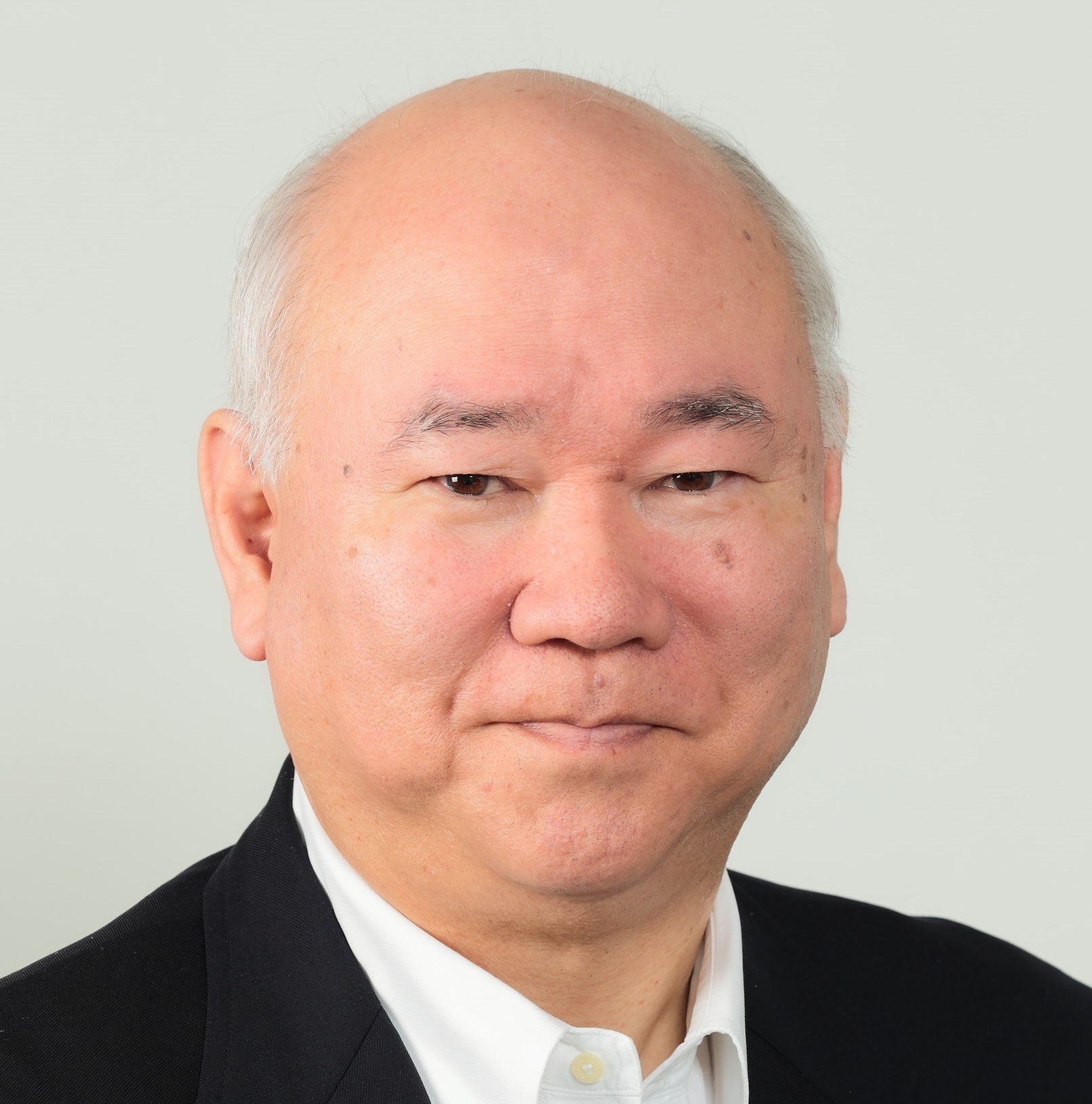
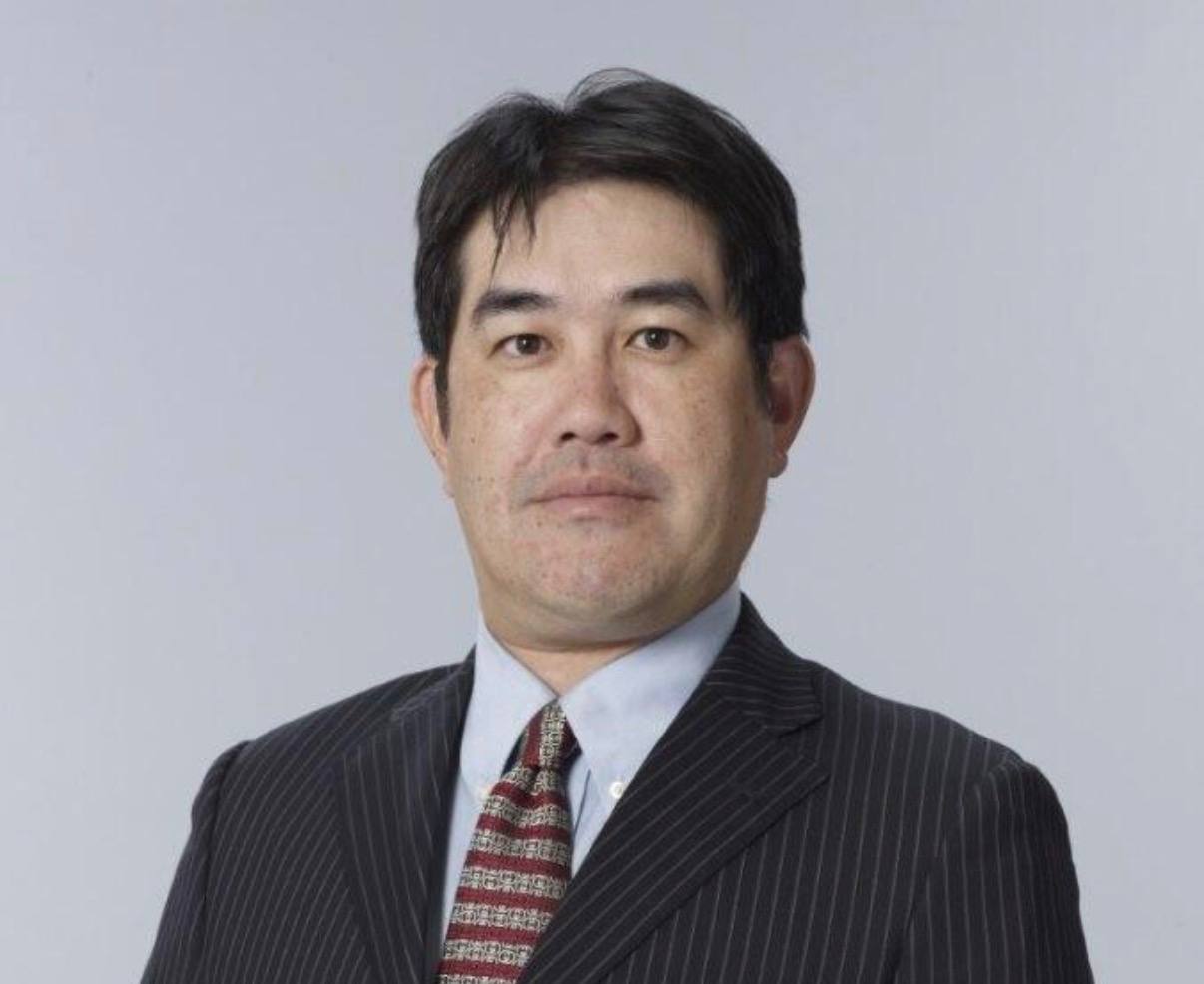
From Discussion to Action — Working group mandates and the road to GTF 2027
Anatoly Motkin - Chair, Global Transformation Forum
Block 3 — Program Conclusion · 16:30–17:00
Closing Remarks —Reflections from the Forum organizers and partners
Takahiro Hanada - Deputy Assistant Minister for Economic Affairs Bureau, Ministry of Foreign Affairs of Japan
For media enquiries and general questions, contact GTF directly.
info@gtf.jp